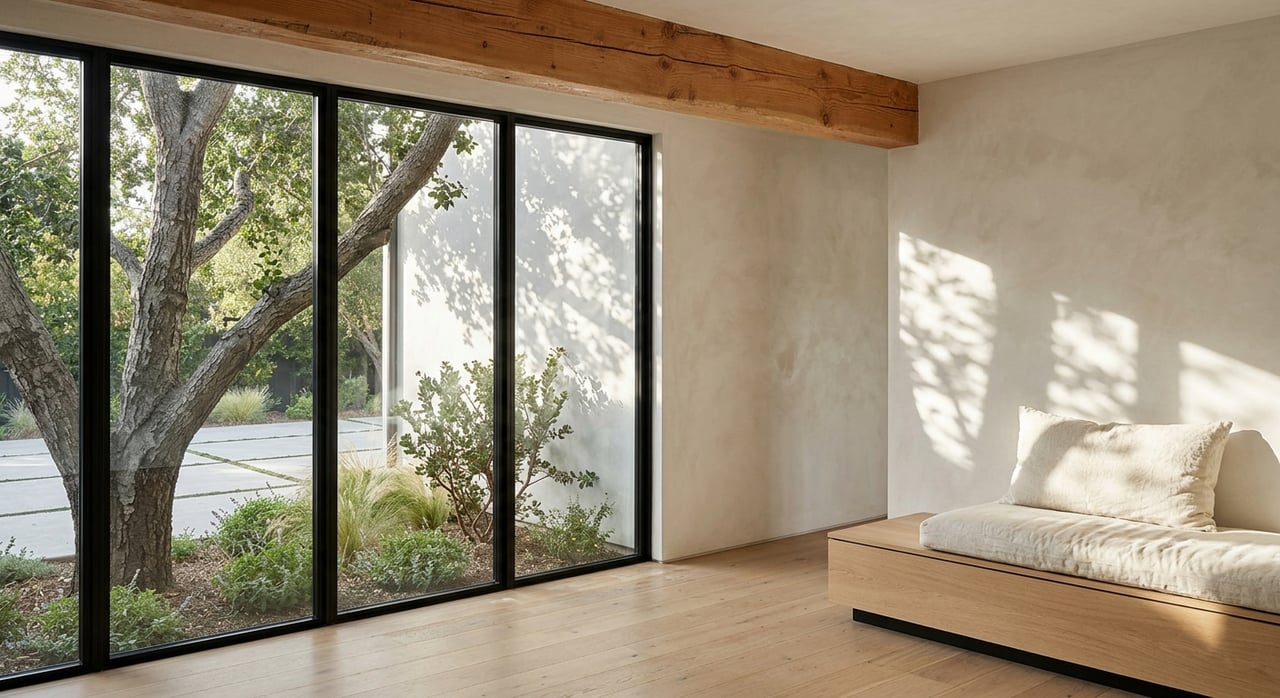
If you are buying in Los Altos, one of the biggest decisions may not be whether to buy, but what kind of home fits your goals best. In a market where many homes were built decades ago, it is common to weigh the appeal of a newer, move-in-ready property against the charm and potential of an older home. This guide will help you compare both paths, understand the local factors that matter, and make a more confident decision. Let’s dive in.
Why this choice matters in Los Altos
Los Altos is a long-term ownership market. The city has 11,781 housing units, an owner-occupied rate of 81.7%, and a median value of owner-occupied homes above $2,000,000. With monthly owner costs commonly above $4,000 for homes with a mortgage, buyers here often make decisions with a long view.
That long-horizon mindset makes the newer-versus-older question especially important. You are not just choosing finishes or floor plans. You are choosing the level of future maintenance, the amount of customization you may want, and how much project complexity you are willing to take on over time.
Los Altos has an older housing base
A large share of Los Altos homes were built in the postwar decades. The city’s Housing Element shows 4,732 homes built from 1940 to 1959 and 3,291 built from 1960 to 1979. Together, that means about 72.6% of the counted housing stock was built from 1940 to 1979.
By comparison, about 24.8% of the counted stock was built in 1980 or later. That age mix helps explain why buyers in Los Altos often face a very real choice between an older home with original character and a newer home with more current systems and design.
What newer homes often offer
Newer homes usually appeal to buyers who want a smoother path to move-in. In many cases, they offer contemporary layouts, updated systems, and fewer immediate repair questions. If your priority is predictability, a newer home may feel simpler from day one.
Newer construction in Los Altos is also more likely to align with current energy standards and local electrification goals. California’s 2025 Energy Code, which applies to permit applications on or after January 1, 2026, expands requirements and considerations around heat pumps, electric-readiness, ventilation, and photovoltaic and battery-storage planning.
In practical terms, that can translate to a home that feels more aligned with how many buyers want to live now. Open shared spaces, smoother indoor-outdoor flow, and newer infrastructure are often part of the package, even though each property should still be evaluated on its own merits.
Benefits of choosing newer
- More likely to feel turnkey
- Newer major systems may reduce early maintenance needs
- Often better aligned with current energy and electrification standards
- Layouts may better match current preferences for open living areas
- Move-in timelines may be shorter if little work is needed
Tradeoffs to keep in mind
A newer home is not automatically a low-risk home. You should still confirm permit history, inspection records, and whether past work received final sign-off. Los Altos requires inspections for issued permits, and that paper trail matters.
You may also find that newer homes offer less opportunity to personalize value through renovation. If much of the work is already done, there may be fewer chances to phase improvements over time or reshape the home around your own design priorities.
What older homes often offer
Older Los Altos homes can bring something that is hard to recreate: architectural character and a stronger sense of place. The city’s history and preservation materials reflect a community with notable examples of Craftsman, Tudor Revival, and Dutch Colonial Revival design. For many buyers, that visual texture has real value.
Older homes can also create room for a more tailored plan. If you are comfortable improving a property over time, an older home may offer renovation upside, reconfiguration potential, or a chance to add features that better support your lifestyle.
Los Altos owners also continue to customize existing properties. The city reported more than 100 ADU building permits in 2023, which suggests many homeowners are improving and adapting existing lots rather than starting over.
Benefits of choosing older
- More architectural character in many cases
- Potential to renovate in phases over time
- Greater opportunity to shape the home around your preferences
- Possible ADU or JADU options, depending on the lot and city rules
- May suit buyers who value customization over turnkey convenience
Tradeoffs to keep in mind
Older homes usually require deeper due diligence. If the property has aging systems, deferred maintenance, or older structural components, your costs and timeline can shift quickly. That does not make the home a poor choice, but it does mean you need clear eyes going in.
Seismic issues are an important example. California guidance notes that older houses can be more vulnerable to earthquake damage if foundations are not bolted or cripple walls are not braced. For homes built before 2000, it is wise to ask directly about retrofit work and documentation.
If a property is a designated historic resource or landmark, exterior changes or additions may trigger Los Altos’ historic preservation permit process. Some eligible historic resources may also qualify for a Mills Act contract, which can reduce property tax in exchange for a preservation plan.
Design and layout differences
One of the most noticeable differences between newer and older homes is how they live day to day. Newer homes often reflect current preferences for larger shared living spaces, cleaner indoor-outdoor flow, and more integrated kitchens and family areas.
Older homes may preserve more defined rooms and a layout shaped by the era in which they were built. Some buyers love that separation and privacy. Others see it as an opportunity to remodel.
This is where your lifestyle matters more than general advice. If you want to unpack and settle in quickly, a newer layout may be the right fit. If you want a home with personality and the option to reshape it over time, an older property may be more compelling.
Renovation questions to answer early
If you are leaning toward an older home, or even a newer home with past additions, ask detailed questions before you get attached to a plan. Los Altos has local review processes that can affect what you can change and how long it may take.
In the single-family R1 district, exterior alterations, additions, and new construction are subject to design review. The city says this process is intended to preserve neighborhood character. That means your renovation idea may need refinement before it becomes reality.
If you are considering an ADU or JADU, Los Altos treats ADU and JADU approvals as ministerial and offers a pre-approved ADU program. For buyers who want future flexibility for guests, work, or extended household use, that is worth exploring early.
A practical Los Altos decision framework
The right choice usually comes down to how you want to spend your time, money, and energy after closing. Here is a simple way to think about it.
Choose newer if you prioritize
- A shorter path to move-in
- Current-code energy performance
- Fewer near-term repair questions
- Contemporary design and layout
- More predictable early ownership costs
Choose older if you prioritize
- Character and architectural detail
- Renovation or reconfiguration potential
- The ability to phase improvements over time
- Lot-based customization options such as an ADU, if permitted
- A home you can gradually shape to your vision
Due diligence checklist for buyers
Whether you choose newer or older, the safest approach is to verify the facts before you make assumptions. In Los Altos, that means paying close attention to permits, inspections, and what the city will allow in the future.
Ask for these items
- Permit history for past work
- Confirmation of final inspections and sign-offs
- Details on foundation bolting and cripple-wall bracing for older homes
- Records of any prior seismic retrofit work
- Information on whether the home is historic or potentially subject to preservation review
- Confirmation of ADU or JADU feasibility if customization matters to you
- A realistic repair or renovation contingency budget
The real question is not just age
In Los Altos, age alone should not decide the purchase. A beautifully maintained older home may be a smarter fit for your goals than a newer property that leaves little room for personalization. A newer home, on the other hand, may save you time and reduce uncertainty if your schedule or risk tolerance is tight.
The better question is this: Do you want a finished product, or do you want future flexibility? When you answer that clearly, the choice between newer and older becomes much easier.
If you want help weighing layout, renovation potential, permit history, and long-term value in Los Altos, Fabiane Maluchnik can help you evaluate the tradeoffs with clarity and a design-minded local perspective.
FAQs
Is Los Altos mostly newer or older housing?
- Los Altos has a predominantly older housing stock, with about 72.6% of counted homes built from 1940 to 1979, according to the city’s Housing Element.
Are newer homes in Los Altos easier to maintain?
- In many cases, yes. Newer homes often have newer systems and may involve fewer immediate maintenance issues, but you should still verify permit history and final inspections.
Do older Los Altos homes have renovation potential?
- Many do. Older homes may offer opportunities for remodeling, phased improvements, or lot customization, though any plan should be checked against local review and permitting requirements.
What should buyers check before remodeling a Los Altos home?
- Buyers should confirm permit history, final sign-offs, design review requirements, possible historic preservation review, and whether the lot can support an ADU or JADU if that is part of the plan.
Are historic homes in Los Altos harder to change?
- They can be. If a home is a designated historic resource or landmark, exterior changes or additions may trigger the city’s historic preservation permit process.
What seismic questions matter for older homes in Los Altos?
- Ask whether the home has foundation bolting, cripple-wall bracing, or other seismic retrofit work, especially if the house was built before 2000.