Thinking about raising kids in Palo Alto but not sure what daily life really looks like? You are not alone. Between schools, childcare, commutes, and weekend plans, there is a lot to weigh. This guide breaks down the essentials so you can picture a smooth family routine, choose the right neighborhood, and feel confident about your next step. Let’s dive in.
Why families choose Palo Alto
Palo Alto sits in the heart of Silicon Valley, with a strong mix of university life, tech careers, and tree-lined residential streets. Many residents work at Stanford or commute up and down the Peninsula. You will find an engaged civic culture, active parks and library programs, and a focus on education and enrichment.
The tradeoff to note is cost. Housing, childcare, and everyday expenses trend well above national averages. Families plan ahead, prioritize location, and use local networks to meet their needs.
Neighborhoods and housing tradeoffs
Space and yard size vs. walkability
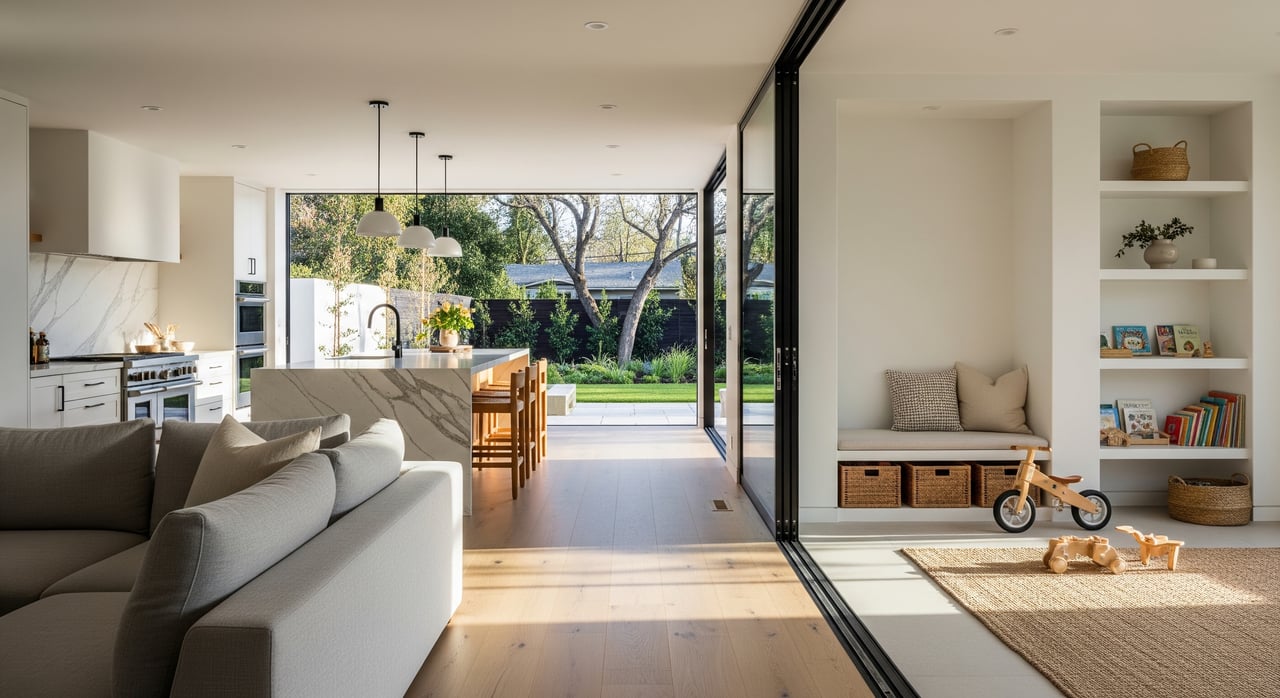
You will see two broad choices. Larger single-family homes with yards are common in Old Palo Alto, Crescent Park, Professorville, Barron Park, and parts of Midtown. These areas offer quieter streets and more space.
If you value being able to walk to coffee, groceries, and the train, look near Downtown and California Avenue. Condos, townhomes, and apartments are more common there and can work well if you prefer convenience over a larger yard.
School boundaries and planning
School assignments influence many moves. Palo Alto Unified School District (PAUSD) uses neighborhood boundaries for elementary and middle schools, with two comprehensive high schools. Because policies can change, review PAUSD for enrollment timelines and current boundary maps before you place an offer.
Market pace and timing
Single-family homes in Palo Alto often move quickly in strong markets, while condos and townhomes can follow different dynamics. If you plan to rent first, note that family-sized rentals are limited and priced at a premium. Touring at different times of day helps you understand commute patterns and school traffic.
Schools and childcare essentials
Public schools (PAUSD)
PAUSD operates neighborhood elementary schools, middle schools, and two comprehensive high schools, with advanced coursework and a range of extracurriculars. Parent engagement is a notable part of district culture. For the most accurate details on programs, enrollment, and deadlines, check PAUSD.
Private and alternative options
Several private and independent schools serve the area, including single-sex and specialized programs. Admissions vary and many schools have waitlists. Families often consider nearby options outside city limits if a particular approach or schedule fits better.
Early childcare and preschool
Childcare is in high demand, and costs are higher than the U.S. average. Many families get on waitlists early, join co-ops, or set up nanny shares. City programs and the public library offer support and community; explore calendars and events through the Palo Alto City Library’s family programs.
Daily life, parks, and activities
Parks and kid-friendly attractions
Weekend routines often center on a few favorites:
- Mitchell Park for playgrounds, picnic areas, and the adjacent library and community center.
- Rinconada Park and Pool for swim time and open green space.
- Palo Alto Junior Museum and Zoo for hands-on science and animal encounters.
- The Baylands for stroller-friendly trails and birding along the marsh.
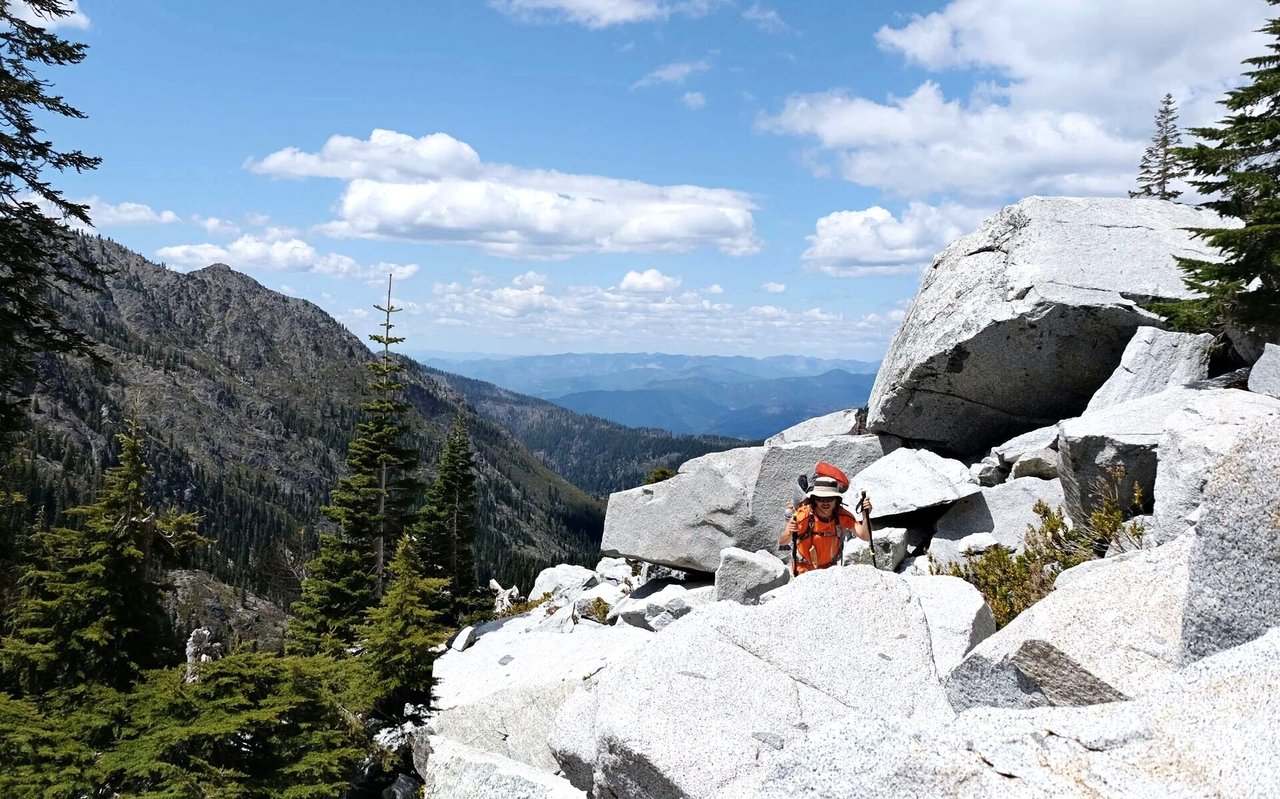
- Foothills Park and the Arastradero Preserve for hiking and nature access. Access rules can differ by site, so check the City of Palo Alto before you go.
The Stanford Dish loop is another popular choice for hill views and fitness walks. Be sure to review posted rules and hours.
Libraries and community programs
The city’s library branches run storytimes, summer reading, and family events. Community centers like Lucie Stern and Mitchell Park host sports, arts, STEM, and after-school classes. Early sign-ups are common for high-demand programs.
Weekend rhythms and day trips
Your calendar will fill fast. Families often mix sports, playdates, and library or museum visits with quick trips to the coast, the redwoods, Santa Cruz, or San Francisco. The variety within a short drive is a standout perk.
Getting around and commute tips
Caltrain and shuttles
Caltrain stops at Palo Alto and California Avenue stations, which makes north-south commutes to San Francisco or San Jose straightforward if schedules align. Review Caltrain schedules and stations for current service. Stanford’s Marguerite shuttles connect campus and Caltrain, which is helpful for families with medical or university ties.
Driving and biking
US-101, I-280, and El Camino Real are the main corridors. Rush-hour congestion is common, so plan buffers for school pick-up. Palo Alto’s biking culture is strong, and many families ride for short trips; route safety varies by street, so test your path at school hours.
School drop-off logistics
Expect traffic near campuses during drop-off and pick-up. Walking, biking, and carpools can save time and reduce stress. If you drive, build in a cushion and learn your school’s pick-up procedures in advance.
Health, safety, and environment
Major pediatric care is close by, including Stanford Children’s Health and Lucile Packard Children’s Hospital. For seasonal air quality, monitor Bay Area Air Quality Management District advisories, since wildfire smoke can affect outdoor plans.
Palo Alto generally reports lower rates of violent crime compared with national averages, while property crime like vehicle break-ins is a more common concern. Follow Palo Alto Police Department safety updates, lock your car, and avoid leaving valuables visible.
Earthquake preparedness is part of life across the Bay Area. If you are considering an older home, talk with your agent and inspectors about seismic retrofits. Parts of the Baylands are low-lying, so review local flood maps and building history for any property you are evaluating.
Moving checklist for parents
- Review PAUSD for enrollment windows and boundary maps before you choose a neighborhood.
- Start preschool and childcare searches early. Join waitlists and parent groups to track openings.
- Tour homes at school drop-off, evening, and weekends to gauge traffic, noise, and activity.
- Confirm pediatricians and urgent care in your insurance network, especially for infants and toddlers.
- Map commutes to work and school. Check Caltrain schedules and stations if rail could simplify your routine.
- Save the Palo Alto City Library’s family programs page and the City of Palo Alto parks listings for weekend planning.
- During fire season, bookmark BAAQMD advisories and plan indoor activity backups.
How a local advisor helps
Choosing between space and walkability, reading school boundaries, and balancing commute tradeoffs is easier with neighborhood-level guidance. A boutique approach can also help you prioritize design updates, staging, and timing if you are selling, or move quickly and confidently if you are buying. If relocation is part of your plan, you can lean on a trusted local network for inspectors, contractors, and family services.
Ready to explore homes and map a routine that fits your family? Connect with Fabiane Maluchnik to schedule a clarity call and start your Palo Alto plan.
FAQs
How are public schools in Palo Alto?
- PAUSD operates neighborhood elementary and middle schools plus two comprehensive high schools, with strong course offerings and active extracurriculars; confirm programs, enrollment, and boundaries on PAUSD.
How early should I start preschool or childcare searches in Palo Alto?
- Begin several months in advance, join waitlists, and explore co-ops or nanny shares since demand and costs are higher than national averages.
What commute options do families use between Palo Alto and San Francisco or San Jose?
- Many use Caltrain schedules and stations along with driving on US-101, I-280, or El Camino Real, depending on work location and school timing.
Which Palo Alto neighborhoods offer more space versus walkability?
- Old Palo Alto, Crescent Park, Professorville, Barron Park, and parts of Midtown tend to offer larger lots, while Downtown and California Avenue areas trade yard size for walkable access to shops and transit.
What should I know about safety in Palo Alto?
- Violent-crime rates are generally lower than national averages, while property crime like vehicle break-ins is more common; follow Palo Alto Police Department safety updates and standard precautions.
How does air quality affect outdoor time for kids in Palo Alto?
- Wildfire smoke can impact outdoor plans in some seasons; check BAAQMD advisories and have indoor activity options ready.