Torn between Mountain View and Sunnyvale for your next home? You are not alone. Both cities sit at the heart of Silicon Valley with great jobs, transit, and distinct neighborhood vibes. In this guide, you will compare prices, housing styles, schools, commute options, and everyday lifestyle so you can decide with confidence. Let’s dive in.
Quick city snapshot
- Pricing today: Recent city medians show Mountain View around $1.82M and Sunnyvale around $1.87M for February 2026. Broader Census estimates place Mountain View’s median owner value near $1.93M and Sunnyvale near $1.80M, and they also show Mountain View with a lower owner-occupancy share than Sunnyvale. See the Census profiles for context on tenure and values for Mountain View and Sunnyvale.
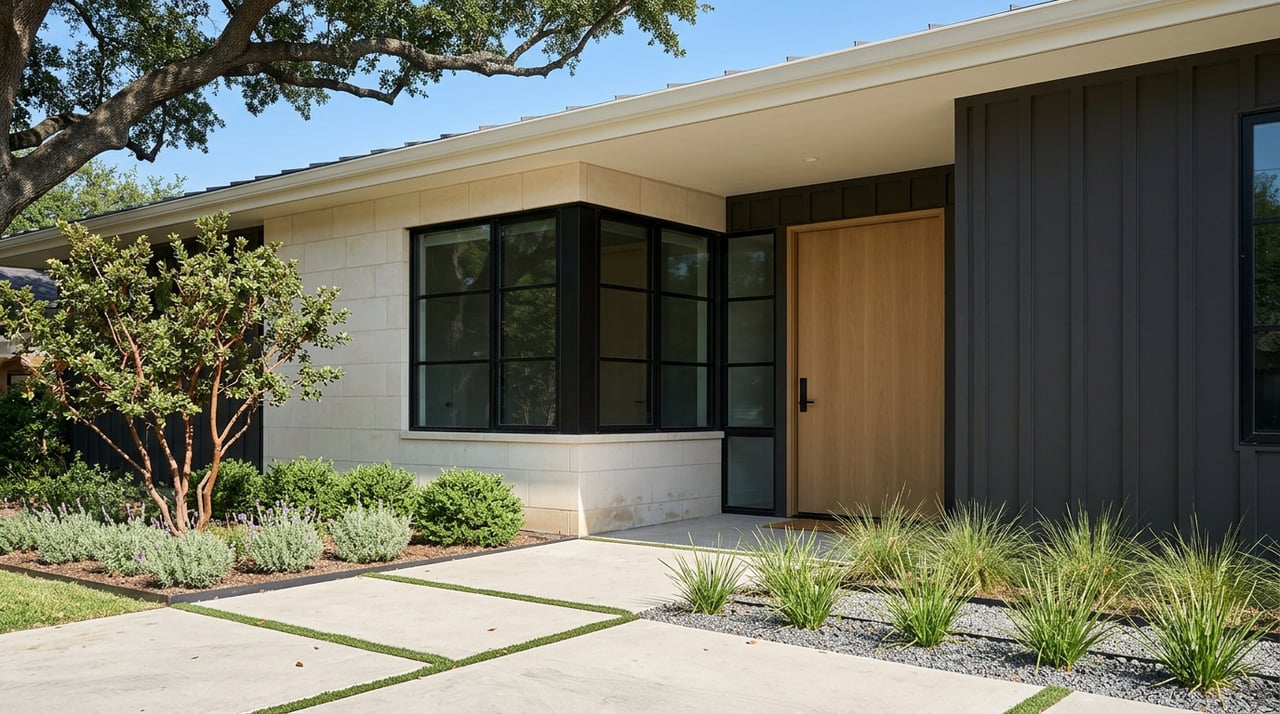
- Housing mix: Mountain View skews toward condos and townhomes near Caltrain with some beloved mid-century Eichlers in Monta Loma. Sunnyvale offers larger, contiguous single-family neighborhoods, including many Eichlers, plus ongoing redevelopment in Moffett Park.
- Schools: Mountain View assigns K–8 to Mountain View–Whisman and high school to Mountain View–Los Altos. Sunnyvale mostly assigns K–8 to Sunnyvale School District and high school to Fremont Union High School District. Attendance zones are address-specific, so always verify with districts.
- Commute: Both cities have Caltrain. Mountain View’s Downtown Transit Center is a strong multimodal node and is closer to North Bayshore job centers. Sunnyvale has its own Caltrain station and quick access to employment clusters in Moffett Park.
- Lifestyle: Mountain View’s Castro Street is a compact, lively downtown near Caltrain with easy access to Shoreline Park. Sunnyvale’s Heritage District is quieter and close to larger parks and the Bay Trail.
Market snapshot and pace
If you want a feel for current momentum, look at both the monthly sale medians and multi-year Census values. In early 2026, recent sales data placed Mountain View near $1.82M and Sunnyvale near $1.87M. Census QuickFacts show a different lens: Mountain View’s median value of owner-occupied housing units is roughly $1.93M while Sunnyvale’s is about $1.80M, with Mountain View around 38.6 percent owner-occupied and Sunnyvale around 43.8 percent. Those figures help you understand each city’s tenure mix and long-run value context. Review the latest numbers for Mountain View and Sunnyvale.
Competition varies by neighborhood and home type. Transit-adjacent condos, townhomes, and single-family homes in popular school pockets often move fastest, sometimes with single-digit median days on market in hot stretches. That means you will want clean pre-approval, a plan for inspections, and clarity on appraisal risks if you are targeting a narrow set of blocks.
Price per square foot can swing 20 to 40 percent between nearby pockets. In Sunnyvale, some subareas trade well into the $3M range for single-family homes, while other ZIPs come in lower. In Mountain View, condos near Caltrain can price differently than single-family homes in Monta Loma. When you get serious, compare medians and comps at the neighborhood or ZIP level rather than relying only on citywide stats.
Housing and neighborhoods
Mountain View highlights
- Downtown and Castro Street. If you want walkability, dining, and Caltrain at your doorstep, focus on Old Mountain View and the Castro corridor. The Downtown Mountain View station is a regional node with Caltrain, VTA light rail, and shuttle connections.
- Monta Loma and Bell Meadows. These mid-century Eichler tracts draw buyers who love indoor-outdoor living and single-story designs. Explore the neighborhood context at the Monta Loma community site.
- North Bayshore and East Whisman. Expect more new development and proximity to tech campuses. The North Bayshore planning effort shapes future housing and amenities, which can influence long-term value. Learn more about this area’s planning context through regional coverage of Mountain View initiatives on Silicon Valley at Home.
What this means for you: Mountain View is a strong fit if you want a shorter commute to North Bayshore, a transit-first lifestyle, or an authentic downtown experience with restaurants and events a short stroll away.
Sunnyvale highlights
- Heritage District and Murphy Avenue. A small, walkable downtown with a relaxed feel and community events. It is lower key than Castro Street, which some buyers prefer.
- Eichlers and single-family tracts. You will find many single-story homes and family-sized parcels across neighborhoods like Lakewood, Ponderosa, and parts of Ortega and De Anza. These areas appeal if yard space and neighborhood scale are priorities.
- Moffett Park and North Sunnyvale. Long a center for offices, this district is being reimagined as an eco-innovation mixed-use area that could add housing and amenities over time. See the Moffett Park Specific Plan overview on Silicon Valley at Home.
What this means for you: Sunnyvale often suits buyers who want larger single-family neighborhoods, access to employment clusters along Lawrence and Moffett Park, and a suburban pace that still connects quickly to the broader Bay Area.
Schools at a glance
Enrollment boundaries and feeder patterns play a big role for family buyers. In Mountain View, K–8 students are generally assigned to the Mountain View–Whisman School District, and high school students to the Mountain View–Los Altos Union High School District. Review district facts and contacts at the MVWSD site.
In Sunnyvale, most K–8 students attend Sunnyvale School District, with some pockets assigned to other nearby elementary districts. Most Sunnyvale high school students attend the Fremont Union High School District. Because assignments vary by address, confirm enrollment through the FUHSD enrollment page and the relevant elementary district before making an offer.
Families often look at specific elementary or high-school pathways when comparing the two cities. Publicly available profiles and rankings are common reference points, but they can change over time. Your best approach is to verify the exact address, review multiple sources, and, if important to you, visit schools to understand programs and logistics.
Commute and transit
Both cities are well-connected by Caltrain, with Santa Clara VTA buses and shuttles serving key corridors.
- Mountain View. The Downtown Transit Center serves as a multimodal hub with Caltrain and VTA light rail, plus private shuttles. If you work at Google’s main campus areas, living in Mountain View can minimize commute time. Explore the station context here: Downtown Mountain View station. Learn more about Google’s local presence via the Googleplex overview.
- Sunnyvale. The city’s Caltrain station anchors its downtown and provides quick access to employer clusters nearby. Moffett Park and corridors near Lawrence Expressway host major offices, including LinkedIn. For a sense of LinkedIn’s Sunnyvale footprint, see the campus overview at LinkedIn’s Sunnyvale location page.
Pro tip: Do a real-world commute test during your actual peak times and, if you rely on transit, map your route with transfer windows. If your employer runs shuttles, check stop locations and schedules before you commit to a block.
Lifestyle, parks, and weekend rhythm
- Mountain View. Castro Street offers concentrated dining, cafes, and events near Caltrain. You also have quick access to Shoreline Park and the Bay Trail for sailing, concerts, and open space. It is a good match if you want an active, compact downtown and easy outdoor access.
- Sunnyvale. The Heritage District provides a quieter downtown experience with family-friendly restaurants. The city’s larger parks and Baylands access support weekend biking, picnics, and sports. If you want space and a relaxed pace without sacrificing convenience, Sunnyvale fits well.
For both cities, grocery and retail options are strong, but the feel varies block by block. If walkability is important, evaluate the specific streets you are considering rather than relying only on citywide walk scores.
Development to watch
Planning work in both cities could shift supply, commute patterns, and amenities over the next 5 to 10 years.
- Mountain View North Bayshore. A long-running planning effort could add housing and reshape the job-housing balance in north Mountain View. For background on recent progress and context, see regional coverage on Silicon Valley at Home.
- Sunnyvale Moffett Park Specific Plan. Sunnyvale is rethinking a large office district as an ecological innovation area with potential housing and mixed-use elements. Get the overview at Silicon Valley at Home’s Moffett Park resource.
If you plan to hold your home for 5 to 10 years, it is worth weighing how these changes might affect commute choices, neighborhood amenities, and resale dynamics.
Decision checklist
Use this simple framework to narrow your search to two or three neighborhoods in each city.
- Rank your non-negotiables. List commute time, specific school priorities, housing type, walkability, and yard or interior space. Rank them by importance.
- Zoom into neighborhoods. Compare medians, price per square foot, and recent comps at the ZIP or micro-neighborhood level. Citywide medians hide big differences between pockets.
- Run live commutes. Test your exact routes at your real peak times. Include one transit run if you plan to use Caltrain or light rail. Check employer shuttle stops if relevant.
- Confirm school assignment. Verify the specific address with the district, and ask about boundary stability. Start with MVWSD for Mountain View K–8 and FUHSD for Sunnyvale high school assignments.
- Budget for taxes and fees. In California, the base property tax rate is about 1 percent under Prop 13 plus voter-approved bonds and assessments. Read the state’s nonpartisan primer to understand how this works at the parcel level: LAO property tax primer.
- Prepare your offer plan. Get pre-approved, line up inspection capacity, and understand gap risk if appraisals trail fast-moving comps in your chosen pocket.
Which city fits you best
- Choose Mountain View if you want a transit-first lifestyle, a lively downtown, and the shortest hop to North Bayshore. You will see more condos and townhomes near Caltrain, plus character-filled mid-century pockets like Monta Loma.
- Choose Sunnyvale if you prioritize single-family neighborhoods, yard space, and quick access to Moffett Park, Lawrence corridor employers, and Cupertino. Expect a more suburban rhythm with a steady pipeline of redevelopment near jobs.
Both paths can be excellent. The best choice is the one that matches your daily rhythms, school goals, and budget for your specific block.
Ready to compare addresses together
If you want a focused, neighborhood-by-neighborhood plan based on your commute, school preferences, and design goals, let’s talk. I will help you short-list micro-markets, confirm school boundaries, model commute times, and craft a winning offer strategy. When you are ready, connect with Fabiane Maluchnik to schedule a clarity call.
FAQs
How do Mountain View and Sunnyvale prices compare in 2026?
- Recent sale medians placed Mountain View near $1.82M and Sunnyvale near $1.87M, while Census estimates show Mountain View’s owner-occupied median value around $1.93M and Sunnyvale around $1.80M.
What are the key school districts in each city?
- Mountain View generally feeds K–8 to Mountain View–Whisman and high school to Mountain View–Los Altos; Sunnyvale mostly feeds K–8 to Sunnyvale School District and high school to Fremont Union High School District.
Which city offers the shorter commute to Google or LinkedIn?
- For Google’s North Bayshore campuses, Mountain View neighborhoods often minimize the commute; for LinkedIn and Moffett Park clusters, many Sunnyvale pockets are closer. Test your actual route at peak times.
Where will I find more single-family homes vs condos?
- Mountain View has many condos and townhomes near Caltrain plus mid-century single-family areas like Monta Loma; Sunnyvale has larger, contiguous single-family tracts across multiple neighborhoods.
Are there major developments that could change the area?
- Mountain View’s North Bayshore planning and Sunnyvale’s Moffett Park Specific Plan both aim to add housing and mixed uses over time, which can affect inventory and amenities.
How should I verify school boundaries for a specific home?
- Use district resources and call enrollment offices to confirm the exact address, starting with MVWSD for Mountain View K–8 and FUHSD for Sunnyvale high school assignments.