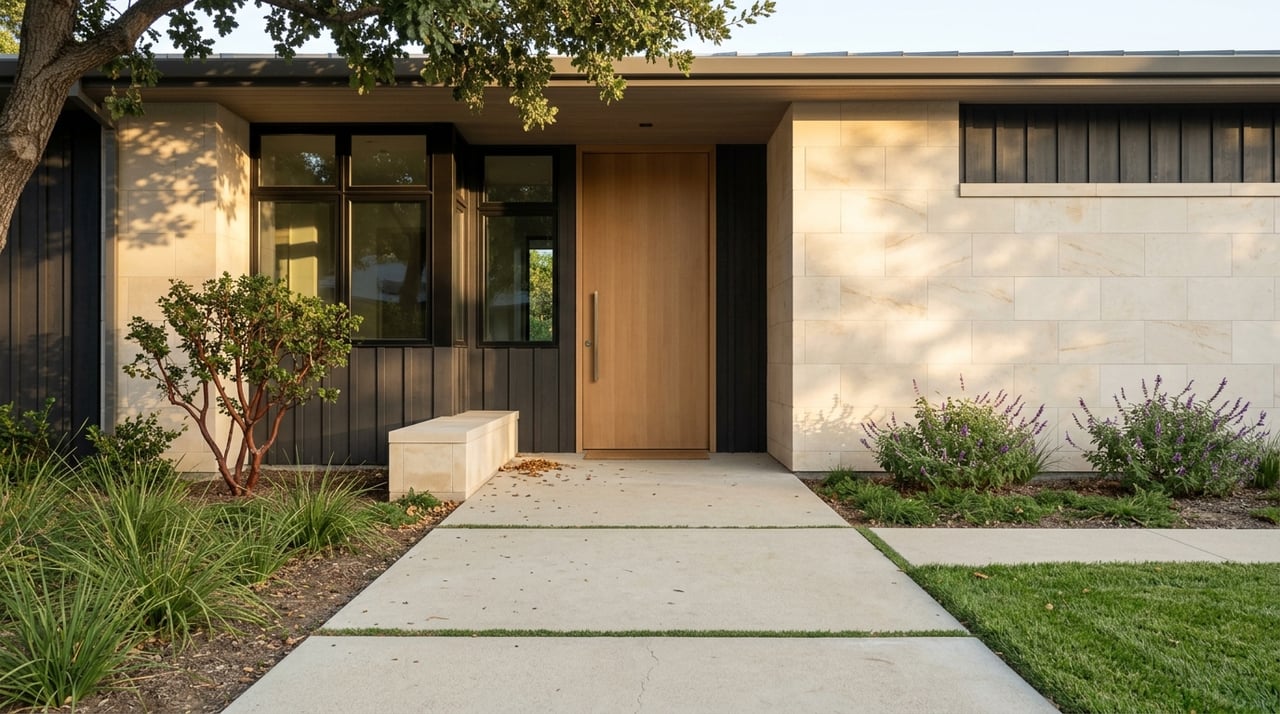
If you have owned your home in Los Altos for many years, right-sizing can feel like a big decision with a lot of moving parts. You may be thinking about less upkeep, a simpler layout, or a home that better fits how you live now, but you also want to protect your equity and make smart tax choices. The good news is that with the right plan, you can approach this move with more clarity and less stress. Let’s dive in.
Why right-sizing matters in Los Altos
Los Altos is a natural place to have this conversation. According to the U.S. Census Bureau’s Los Altos QuickFacts, 81.7% of housing units are owner-occupied, 20.8% of residents are age 65 or older, and the median value of owner-occupied homes is more than $2,000,000. That points to a market with many longtime owners who may be sitting on significant equity.
Right-sizing does not always mean simply buying a smaller house. For many owners, it means choosing a home with less maintenance, a more practical floor plan, or a location that better supports daily life. In a market like Los Altos, it is often as much a financial and lifestyle decision as it is a real estate move.
Start with your real goal
Before you look at homes, it helps to define what you want your next chapter to feel like. Some owners want to reduce yard work and ongoing repairs. Others want a more manageable monthly budget, a one-level layout, or a home that feels easier to lock and leave when traveling.
A simple way to start is to rank your priorities. Ask yourself:
- Do you want less upkeep?
- Do you want a smaller footprint with fewer unused rooms?
- Do you want a different location nearby?
- Do you want a clearer picture of monthly costs and property taxes?
- Do you want a home that may feel easier to maintain over time?
When you know your top priorities, it becomes much easier to compare staying in Los Altos with moving to a nearby city.
Understand the local market pace
If you have not sold in many years, today’s market can feel very different. Recent snapshots show that Los Altos remains a high-value market, but preparation still matters.
Redfin’s Los Altos housing market data reported a median sale price of $4.15M in March 2026, with homes selling in about 10 days on average. A separate snapshot from Realtor.com, cited in the research report, showed 67 homes for sale, a median listing price of $3.988M, and a median days on market of 26 in February 2026. The exact numbers vary by source and timing, but the message is consistent: thoughtful pricing, presentation, and timing still play a major role.
Prop 19 can shape your timing
For many longtime California owners, property taxes are one of the biggest pieces of the puzzle. Under California Proposition 19, eligible homeowners age 55 or older, disabled homeowners, and certain disaster victims may transfer their base-year value to a replacement home.
That can make a nearby move more realistic than many owners first assume. It also means right-sizing is not only about square footage. It is about understanding how your next purchase may affect your long-term tax picture.
Key Prop 19 basics
According to the California Board of Equalization:
- If you buy the replacement home first, your original home must be sold within two years.
- The claim is filed with the assessor after both transactions are complete.
- You must already be living in the replacement home when you file.
- If the replacement home costs the same as or less than the original home’s value, no adjustment is needed within the allowed timing rules.
- If the replacement home costs more, the amount above the adjusted original-home value is added to the new taxable value.
- Eligible homeowners may use the age 55+ or disabled transfer up to three times.
For Santa Clara County homeowners, the assessor’s office also provides the BOE-19-B age 55+ transfer form. Because timing matters, many owners benefit from mapping out the sale and purchase sequence before listing their home.
Prepare your current home with focus
Long-held homes often need a little triage before they are market-ready. That does not mean you need a full overhaul. In many cases, the most effective plan is a targeted one that improves flow, reduces visual clutter, and helps buyers understand the home quickly.
The National Association of Realtors 2025 staging snapshot found that 83% of buyers’ agents said staging made it easier for buyers to visualize a future home. It also found that the living room, primary bedroom, and dining room were the spaces most commonly staged.
Where to begin
If you are living in the home while preparing it for sale, start with these practical steps:
- Declutter room by room so each space has a simple, clear purpose.
- Edit furniture to improve flow and make rooms feel easier to navigate.
- Prioritize visible repairs such as deferred maintenance, safety fixes, and worn finishes.
- Focus on key spaces like the living room, primary bedroom, and dining area.
- Create a clean plan for the next phase, including packing, donations, and storage.
NAR’s broader staging guidance also notes that homes do not need to be fully transformed to benefit from staging. Decluttering and selective updates can go a long way, especially when the goal is to present a home that feels well cared for and easy to live in.
Use local support when needed
If your home needs repairs before it is ready for market, local resources may help. The City of Los Altos lists aging and adult resources, including transportation, housing, health, and social support through its Adult 50+ Program. The city also notes its Age-Friendly City designation, which adds helpful local context for owners planning a move later in life.
Santa Clara County’s home-repair program says Los Altos homeowners may qualify for county-funded repair assistance through Rebuilding Together Peninsula. For some owners, that can make it easier to address safety issues, accessibility updates, or deferred maintenance before selling.
Compare nearby right-sizing options
Some longtime Los Altos owners want to remain close to friends, services, and familiar routines while moving to a smaller-footprint home. In that case, nearby cities may offer different housing mixes and price points.
Based on Census QuickFacts for nearby cities, Mountain View and Sunnyvale have lower owner-occupancy rates than Los Altos, at 38.6% and 43.8% respectively. As an inference from those housing-tenure patterns, they may be worth considering if you want to explore condos, townhomes, or other lower-maintenance options. Menlo Park, Palo Alto, and Los Gatos also offer nearby alternatives with different owner-occupancy patterns and home values.
How to compare areas nearby
When you evaluate nearby options, focus on the pieces that affect daily life and long-term cost:
- Home type: single-level, condo, townhome, or smaller single-family home
- Maintenance needs: yard, exterior upkeep, and future repair demands
- Location fit: proximity to routines, services, and family or community ties
- Monthly budget: mortgage, insurance, taxes, and any HOA dues
- Long-term practicality: layout, storage, and ease of use over time
This kind of comparison helps you stay focused on fit, not just price.
A simple right-sizing roadmap
When you break the move into steps, the process becomes much more manageable. A clear plan can help you avoid rushed decisions and keep the sale and purchase aligned.
Step 1: Define your next-home priorities
Start with the life you want, not the listing search. Be specific about what you want to simplify and what you want to keep.
Step 2: Review your tax timing
If Prop 19 may apply to you, learn the timing rules early. That can shape when you list, when you buy, and whether buying first or selling first makes more sense.
Step 3: Triage repairs and presentation
Look at your current home through a buyer’s eyes. Focus on repairs, decluttering, and the rooms that have the biggest impact on first impressions.
Step 4: Compare nearby housing options
Explore Los Altos and nearby cities based on maintenance, layout, and monthly cost. This is where a clear shortlist can save time and reduce overwhelm.
Step 5: Coordinate the move carefully
A right-sizing move often involves more planning than a standard sale. Packing, donation timelines, repairs, and the purchase sequence all benefit from a structured approach.
Why planning pays off
Right-sizing is often emotional because your current home may hold decades of memories. At the same time, it is a practical decision about equity, taxes, upkeep, and how you want to live going forward. The owners who navigate it best usually treat it as a planning process, not a quick transaction.
With the right strategy, you can make thoughtful choices about what to update, when to list, how to compare nearby options, and how to align your move with your financial goals. If you are thinking about a move in Los Altos or nearby, Fabiane Maluchnik can help you create a clear, personalized plan for your home sale and next purchase.
FAQs
What does right-sizing mean for longtime Los Altos homeowners?
- Right-sizing means choosing a home that better fits your current lifestyle, which may involve less upkeep, a different layout, or a smaller footprint, not just moving to a smaller house.
How does Prop 19 affect a right-sizing move in Los Altos?
- Prop 19 may allow eligible homeowners age 55 or older, disabled homeowners, and certain disaster victims to transfer their base-year value to a replacement home, subject to the timing and value rules described by the California Board of Equalization.
What should Los Altos sellers do before listing a long-held home?
- Start with decluttering, simplified room function, visible repairs, and focused staging in key spaces like the living room, primary bedroom, and dining room.
Are there lower-maintenance housing options near Los Altos?
- Nearby cities such as Mountain View and Sunnyvale may be worth exploring for condos, townhomes, or smaller-footprint homes, based on their different housing-tenure patterns.
What local resources can help older homeowners in Los Altos prepare for a move?
- Los Altos offers Adult 50+ resources, and Santa Clara County notes that some Los Altos homeowners may qualify for county-funded repair help through Rebuilding Together Peninsula.