Craving more land and privacy but want to stay close to Palo Alto and Mountain View? If you picture evenings under oak trees, wide views, and room to breathe, Los Altos Hills might be on your short list. At the same time, you probably have questions about commutes, schools, utilities, and what it actually takes to own here. This guide walks you through the day-to-day experience and the practical checks to make before you buy. Let’s dive in.
Los Altos Hills at a glance
Los Altos Hills is a small, largely residential town of about 8,500 residents set over roughly 9 square miles of rolling hills, oak groves, and winding roads. You feel close to Silicon Valley job centers while living in a distinctly quieter setting. For a quick profile of the town’s size and population, see the U.S. Census overview for Los Altos Hills. The Census QuickFacts page outlines the basics.
Two defining traits shape daily life here: one-acre zoning across much of town and no commercial districts inside town limits. The one-acre baseline and related development controls are central to the Town’s planning framework, which protects open character and limits density. You can review the Town’s land-use approach, including floor area and site coverage rules, in the general plan housing section. Town planning materials describe the one-acre ethos and development controls.
Space, privacy and trails
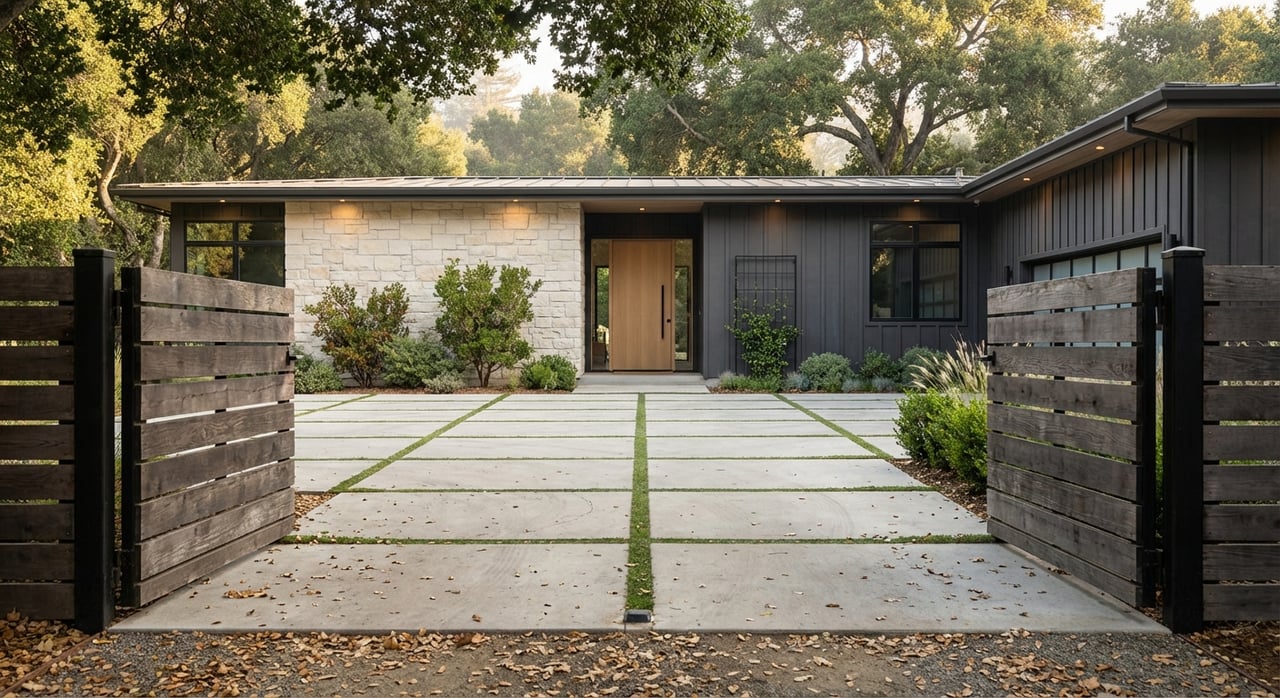
If you value privacy and room to create an estate feel, this area delivers. The one-acre minimum means larger setbacks, more landscaping opportunities, and homes sited to capture ridge or valley views. Planning concepts like Maximum Floor Area and Maximum Development Area help preserve the open look by limiting how much of a parcel you can build.
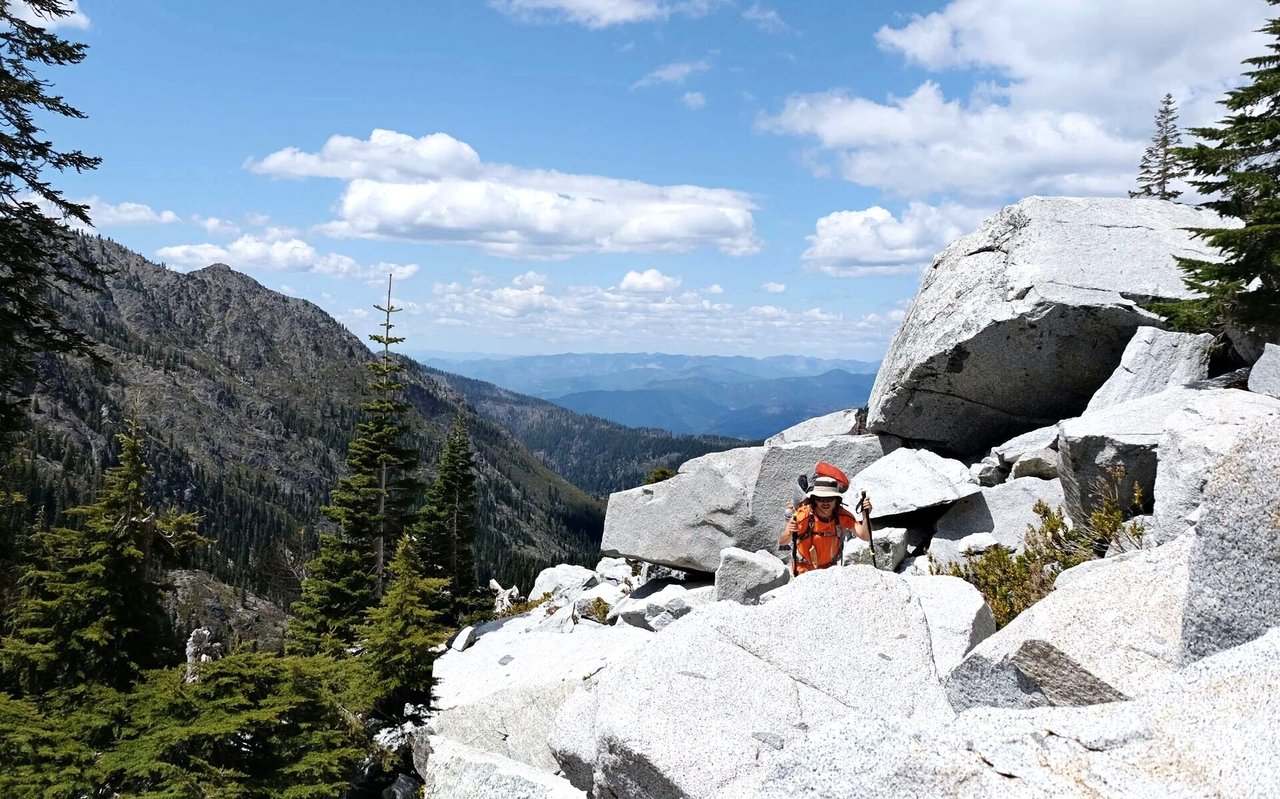
Outdoor access is a daily perk. Residents frequent nearby preserves for hiking, running, and horseback riding. The Rancho San Antonio Open Space Preserve is a local favorite, offering miles of trails and an easy nature reset. Explore Rancho San Antonio’s trail network and amenities.
No retail in town
One practical tradeoff is shopping and dining. The Town has a long-standing policy of restricting commercial zoning. You will drive to Los Altos, Palo Alto, or Mountain View for groceries, coffee, and restaurants. That policy has been upheld historically. A California appellate case details the Town’s commercial restrictions.
Getting around and commute reality
You travel on a network of narrow, curving roads within town, then connect to major corridors like I-280 and Foothill Expressway. These are the primary links to nearby job centers and schools. For context on regional arteries, see this overview of county routes and connectors. Learn more about I-280 and Foothill Expressway connections.
Commute time varies by hour. Off-peak drives to Palo Alto or Mountain View can be short, while peak congestion stretches timelines. The best move is to test sample routes from a specific address at your typical commute times using your preferred map app.
Transit and the drive-to-transit model
Public transit inside Los Altos Hills is limited, and there is no Caltrain station within town. Most residents use a drive-to-transit approach, parking at Caltrain in Palo Alto or Mountain View when rail makes sense. Town planning documents note that only a small portion of parcels sit within easy walking distance of fixed transit. Town materials highlight limited in-town transit access.
Schools and enrollment basics
Most addresses in Los Altos Hills feed into Los Altos School District (K–8) and Mountain View–Los Altos Union High School District for high school. Exact school assignment can vary by parcel, so you should always verify by address directly with the district before making decisions. Town planning references note the general district pattern and the importance of confirming enrollment details by property. Planning documents emphasize verifying school assignment by address.
Because properties are spread out, school commutes are typically by car or bus. If you plan to add parking, a second unit, or make other site changes that could affect circulation, check with both the Town and the school districts early.
Utilities, water and wastewater
Water service in Los Altos Hills is split between providers depending on your address. Many parcels are served by the local Purissima Hills Water District, while others are served by California Water Service. Some homes also have private wells for supplemental use. You can find service area information and updates from the local district. Review Purissima Hills Water District resources.
Wastewater service varies. A significant share of homes use private septic systems, while others connect to sewer systems via agreements with nearby cities. If you plan to renovate or expand, septic capacity, leach-field location, and approvals are critical checkpoints. Town materials outline this split and its impact on permitting. Learn how septic and sewer affect project feasibility.
Electricity is provided by the regional utility, and broadband availability is address-specific. Many edge-of-town locations have cable or fiber, while more rural parcels may rely on fixed wireless or satellite. Always run exact address checks with providers during due diligence.
Fire, safety and emergency services
Fire protection covers a wildland-urban interface environment, so prevention is a community priority. The Los Altos Hills County Fire District contracts with Santa Clara County Central Fire Protection District and funds additional resources tailored to local terrain and risk. See the Fire District’s service profile and programs.
Much of Los Altos Hills is considered higher wildfire risk, which shapes insurance, vegetation management, and ongoing maintenance. Homeowners are expected to maintain defensible space and participate in brush reduction. Review county wildfire planning for a sense of expectations and best practices. Explore the County’s Community Wildfire Protection Plan.
Law enforcement is provided by the Santa Clara County Sheriff’s Office under a service contract with the Town.
Health care and nearby conveniences
You will drive a short distance for major medical services. El Camino Hospital in Mountain View and Stanford Health facilities in Palo Alto are common destinations. Groceries, pharmacies, and everyday retail are in neighboring downtowns like Los Altos and Mountain View, not inside town boundaries.
Market overview and what drives value
This is a low-inventory, estate market where comparables can vary widely. Pricing typically sits in the multi-million dollar range, and value is highly sensitive to lot size, privacy, view corridors, and quality of improvements. Because properties are unique, you will rely on micro-neighborhood comps and on-site evaluations rather than simple averages.
Building rules and renovation timelines
Planning in Los Altos Hills is designed to protect the town’s open, semi-rural character. Minimum lot sizes, plus standards like Maximum Floor Area, Maximum Development Area, slope-based setbacks, tree protection, and site design rules, all factor into timelines and scope. If you plan to add space, expect surveys, soils reports, and other soft costs to be part of the budget. Town documents outline development limits and review processes.
Second units are allowed on qualifying parcels under state and local rules, but ADU potential still depends on site constraints, utilities, and floor area calculations. Always verify ADU feasibility with Town planning and your water and wastewater provider early.
Natural hazards and long-term risk
In addition to wildfire, slopes and soils can introduce extra due diligence. Steeper sites may require geotechnical work, engineered retaining structures, and erosion control. These factors add design complexity and cost, which is important to budget before you commit to a remodel or new build.
Property taxes and assessments
California’s Proposition 13 sets a 1 percent base property tax on assessed value, then voter-approved assessments and district charges are added on. Effective rates in Santa Clara County are commonly higher than the base 1 percent due to these add-ons. You can review how property tax revenue is distributed locally to understand components of your bill. See Santa Clara County’s tax distribution overview.
Buyer due-diligence checklist
Use this quick list to inform offers and contingencies:
- Schools: Verify school assignment by exact street address with the district office. Town materials underscore address-level verification.
- Water: Confirm provider and capacity. If Purissima Hills Water District serves the address, ask for recent water quality updates and any supply advisories. Check Purissima’s resources.
- Sewer or septic: Pull the septic history from county environmental health if applicable, including recent pump-outs or repairs. If near a sewer line, request feasibility and cost to connect.
- Wildfire: Ask for recent defensible-space work, fuel reduction invoices, and insurance quotes that reflect current underwriting. Review the County’s wildfire protection plan.
- Development limits: Confirm MFA, MDA, slope setbacks, pathway easements, and tree protections that could affect expansion. Consult Town planning references.
- Utilities and broadband: Run address-level checks for fiber or cable. Request recent utility bills to size ongoing costs.
- Commute: Test drive routes during your actual peak travel window and explore the drive-to-transit option for Caltrain.
Is Los Altos Hills right for you?
Choose Los Altos Hills if you want space, privacy, and daily access to open space while staying close to major tech and medical hubs. The tradeoffs are real: car-first errands, longer permitting for major projects, and ongoing vegetation management in a hillside environment. If those fit your lifestyle and budget, the reward is a calm, nature-forward home base minutes from Silicon Valley.
Ready to explore properties or weigh renovation and ADU potential on a specific lot? Connect with Fabiane Maluchnik to map your goals, timeline, and budget into a clear plan.
FAQs
What is daily life like in Los Altos Hills?
- Expect a quiet, semi-rural setting with large lots, winding roads, and regular drives to nearby towns for shopping and services, plus quick access to open-space preserves for hiking and riding.
How do public schools work in Los Altos Hills?
- Most addresses feed into Los Altos School District for K–8 and Mountain View–Los Altos Union High School District for high school, but you should always verify school assignment by exact address with the district.
Do homes typically have septic systems in Los Altos Hills?
- Many do. A significant number of parcels use private septic, while others connect to municipal sewer via nearby cities. Septic capacity and permits are key if you plan to remodel or add space.
Is there shopping or dining inside Los Altos Hills?
- No. The Town restricts commercial uses, so residents drive to Los Altos, Palo Alto, or Mountain View for groceries, restaurants, and everyday retail.
How long are commutes from Los Altos Hills?
- Off-peak drives to nearby job centers like Palo Alto or Mountain View can be short, but peak congestion increases times. Test routes from a specific property at your normal commute hours.
What should I check before buying in Los Altos Hills?
- Confirm school assignment, water provider and capacity, sewer or septic status, wildfire defensible-space work and insurance quotes, development limits like MFA and MDA, and exact broadband availability at the address.